✓ 100% Placement Guarantee
100% Job Guarantee Courses After 12th
Build a future-proof career in Solar Energy, EV Technology & Battery Systems. Join India’s premier institute for renewable energy excellence.
🔨
Hands-on Learning💼
Placement AssistanceCompleting Class 12 is a defining milestone for Indian students. While conventional bachelor's degrees remain common, the modern employment landscape strongly values practical, job-ready technical skills. This comprehensive guide helps students across Science, Commerce, and Arts discover high-impact vocational pathways, compare course durations and return on investment, understand real placement criteria, and evaluate future-proof careers in high-growth fields like Solar Energy, Electric Vehicles, and Industrial Automation.
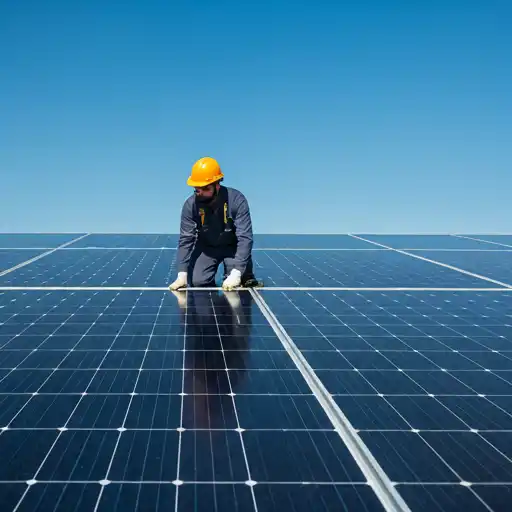
There is no single "best" course that guarantees employment for every student. Instead, the right program depends strictly on your academic stream, technical aptitude, financial budget, study duration commitment, and career aspirations. Job-oriented courses in India typically fall into three practical brackets:
Ideal for students seeking rapid skill acquisition in focused domains such as Solar PV Installation, Electric Vehicle Battery Diagnostics, Digital Marketing, or Tally & GST Accounting.
Programs like the Diploma in Solar Technology or Diploma in EV Technology provide comprehensive engineering principles, simulation software (AutoCAD, PVsyst), and hands-on site internship.
Bachelor of Vocation (B.Voc) degrees aligned with the National Skills Qualifications Framework (NSQF) offer multi-point entry and exit, recognized degree status, and direct corporate apprenticeships.
For decades, the standard path following Class 12 in India has been direct entry into three-year or four-year theoretical degrees such as BA, B.Com, B.Sc, or B.Tech. While these degrees build a broad academic foundation, thousands of graduates face an "employability gap" upon graduation—possessing academic marks but lacking the concrete, tool-level competencies demanded by hiring managers.
A job-oriented course is deliberately engineered with the workplace in mind. Its curriculum is mapped directly to standard industrial roles, technical tools, safety codes, and operational workflows. Rather than dedicating semesters to abstract theory, students spend up to 70% of their learning hours in laboratories, workshop benches, software simulation suites, and field environments.
Focuses intensely on a single operational skill or toolset. Highly suited for immediate upskilling, technicians, or candidates looking to enter niche roles quickly.
Combines core technical engineering principles with hands-on lab work, project drafting, and industrial site visits. Balances fast entry with depth of knowledge.
A recognized university degree under UGC and NSQF guidelines. Features 60%+ skill-based training with exit options at Certificate (Year 1), Diploma (Year 2), and Degree (Year 3).
Extensive theoretical coursework designed primarily for academic grounding, research, or civil service examinations. Usually requires supplementary vocational training for industry jobs.
In high-growth technical fields like solar installation, electrical substations, and electric vehicle service bays, employers cannot afford to spend six months training a new hire on basic multimeter usage, safety earthing, or component diagnostics. When a student demonstrates certified project experience, hands-on lab competence, and tool proficiency on day one, their probability of hiring and starting salary increases substantially.
To help students and parents make informed comparisons, below is an exhaustive breakdown of the top 10 job-oriented training domains currently active in India. Note that IISE specializes specifically in Renewable Energy, Solar Technology, Electric Vehicles, and Battery Systems; general categories are included here to provide complete, unbiased career guidance.
What the Course Teaches: Programming fundamentals (Python, JavaScript), responsive web development (HTML5/CSS3/React), database management (SQL), basic cloud infrastructure (AWS/Azure fundamentals), or cybersecurity and network troubleshooting.
What the Course Teaches: Search Engine Optimization (SEO), Google Search & Display Ads, Meta Ads management, content marketing, email campaigns, conversion rate tracking, and web analytics (Google Analytics 4).
What the Course Teaches: Practical bookkeeping, Tally Prime with GST configuration, TDS calculation, Income Tax return filing principles, advanced MS Excel (vlookup, pivot tables, financial modeling), and retail banking procedures.
What the Course Teaches: Medical Laboratory Technology (DMLT), X-Ray and Radiology techniques, Operation Theatre (OT) assistance, Dialysis technology, or Emergency Medical Care. Focuses on patient handling, sample testing, and clinical diagnostic machinery.
What the Course Teaches: Front office operations, food and beverage service, housekeeping management, basic culinary arts, airline ground operations, airport ticketing, and hospitality customer relations.
What the Course Teaches: Industrial electrical wiring, CNC machine programming, HVAC (Heating, Ventilation & Air Conditioning) maintenance, welding technologies (TIG/MIG), and basic programmable logic controller (PLC) automation.
What the Course Teaches: Design thinking, typography, color theory, digital wireframing (Figma), graphic tools (Adobe Photoshop, Illustrator, Premiere Pro), user research, responsive interface layout, and motion graphics.
What the Course Teaches: Solar photovoltaic cell physics, on-grid and off-grid system architectures, rooftop structural mounting, string sizing, inverter wiring, solar net metering regulations, shadow analysis with 3D modeling (Sketchup & PVsyst), site feasibility surveys, and plant operation & maintenance (O&M).
What the Course Teaches: Electric powertrain architecture, Brushless DC (BLDC) & Permanent Magnet Synchronous Motors (PMSM), motor controllers and inverters, CAN Bus vehicular communication, regenerative braking systems, EV charging infrastructure (AC Level 2, DC Fast CCS2), and high-voltage safety isolation.
What the Course Teaches: Lithium-ion cell chemistries (LFP vs NMC), cell grading and internal resistance sorting, Battery Management System (BMS) wiring, active/passive cell balancing, thermal runaway mitigation, spot welding and pack fabrication, battery testing cyclers, and stationary energy storage (BESS) for grid systems.
Eligibility criteria in Indian vocational and professional education depend heavily on the subjects studied in Higher Secondary (10+2). While technical engineering diplomas require physical science and mathematical foundations, many modern digital, business, and green energy fields offer pathways for students from all academic backgrounds.
Students with a Science background have the broadest eligibility across both core engineering technologies and clinical allied healthcare:
Commerce students excel in commercial, computational, and business execution domains where companies require precise operational control:
Arts students often assume technical careers are entirely closed to them. In reality, the modern digital economy and vocational education framework prioritize creative thinking, visual communication, and human relations:
Compare indicative duration, prerequisites, practical laboratory intensity, starting positions, and long-term career growth across key job-oriented course categories in India:
| Course / Qualification | Indicative Duration | Entry Requirements | Practical Lab % | Entry-Level Roles | Further Progression |
|---|---|---|---|---|---|
|
Diploma in Solar Technology (IISE Flagship) | 1 Year (Full-time / Lab) | 10+2 (Science/PCM preferred, open to tech aptitude) | 65% Hands-on | Solar Site Engineer, PV Drafter, O&M Specialist | Project Manager, Solar EPC Contractor |
|
Diploma in EV Technology (IISE Flagship) | 1 Year (Full-time / Lab) | 10+2 (Science/Maths or ITI Electrical) | 70% Hands-on | EV Service Technician, Motor Diagnostics Tech | Fleet Maintenance Manager, EV Systems Lead |
|
EV Battery Technology & BMS (IISE Focus) | 3 to 6 Months | 10+2 with Science or Electrical trade | 75% Hands-on | Battery Pack Assembly Tech, QA Inspector | Battery R&D Assistant, BESS Commissioning Engg |
| Web & Software Bootcamps | 6 to 9 Months | 10+2 Any Stream (Basic Logic / English) | 60% Practical | Junior Web Developer, React Frontend Trainee | Full Stack Engineer, Technical Architect |
| Digital Marketing & SEO | 3 to 6 Months | 10+2 Any Stream (Arts / Commerce / Science) | 50% Practical | SEO Executive, Social Media Specialist | Digital Marketing Manager, Growth Strategist |
| Tally Prime, GST & Accounting | 3 to 6 Months | 10+2 Commerce preferred (Any Stream eligible) | 60% Practical | Accounts Assistant, GST Billing Executive | Senior Accountant, Tax Consultant |
| Paramedical / DMLT Diploma | 1 to 2 Years | 10+2 Science (PCB mandatory) | 70% Practical (Hospital) | Lab Technician, Phlebotomist | Chief Lab Supervisor, Diagnostic Center Mgr |
| UI/UX & Graphic Design | 6 to 12 Months | 10+2 Any Stream (Portfolio required) | 65% Practical | Junior UI Designer, Visual Graphic Artist | Product Designer, Creative Director |
|
B.Voc in Solar Technology (UGC / NSQF Degree) | 3 Years (Multi-exit) | 10+2 in any stream (Science/Vocational preferred) | 60% Practical | Solar Project Engineer, Technical Lead | Solar Plant Head, M.Voc / Post-Graduation |
Choosing a vocational or professional qualification is a strategic career decision. Students and parents must evaluate courses systematically rather than being swayed by flashy advertisements or generic placement promises. Follow this 10-step evaluation framework:
Are you energized by physical tools, circuits, and outdoor sites, or do you prefer desk work, creative design, or financial analysis? Align your course with genuine interest rather than peer pressure.
Check whether the industry is actively expanding. Fields backed by government mandates and private investments—such as Solar Rooftop EPC and EV mobility—have decades of structural tailwinds.
A 1-year diploma gets you earning and gaining commercial experience three years earlier than a 4-year degree. If financial independence is urgent, 6 to 12-month diplomas provide the best balance.
Look beyond published tuition. Ask about lab charges, registration fees, examination fees, toolkits, and certification costs to know the true out-of-pocket investment upfront.
Visit the training center. Does the institute have real solar panels, string inverters, EV powertrain benches, and battery testing cyclers? Or are they teaching purely from PowerPoint slides?
Who is actually teaching? Are instructors academic lecturers or seasoned industry professionals who have executed megawatts of solar plants and diagnosed real EV controller faults?
Is the credential recognized by industry bodies (e.g., Skill Council for Green Jobs, NSDC, MSDE, or corporate hiring partners)? A certificate without industry recognition has little resume value.
Demand to see the institute's placement policy in writing. Are there dedicated campus recruitment drives? What are the eligibility terms, and what companies recruited the previous batch?
Search for the institute's alumni on LinkedIn. Where are they currently working? What job titles do they hold? Reaching out directly to two past students provides unfiltered feedback.
Can you pursue further specialization later? For example, can a Diploma in Solar lead into advanced design simulation (PVsyst) or credit transfer into a degree? Ensure you have an upward growth path.
Before submitting fees to any training institute, ensure you can tick every box below:
Because advertising across Indian vocational education frequently uses phrases like "100% Job Guarantee", this section provides an honest, transparent breakdown of what these marketing terms actually mean, how placement agreements work legally, and what every student must verify before enrolling.
In legal and operational reality, no independent training institute has the legal authority to sign an employment contract on behalf of a third-party corporation. Ultimately, hiring decisions are made solely by corporate interviewers based on a candidate's technical competence, practical demonstration, punctuality, and communication.
The Fine Print: In commercial agreements, a "guarantee" almost always requires:
The Industry Standard: Genuine, reputable institutes provide:
The Practical Stepping Stone:
The Indian Institute of Solar Energy (IISE) maintains complete transparency with all prospective students and parents. While IISE maintains an active network of 500+ solar, EV, and renewable hiring partners and achieves high placement success rates through rigorous hands-on lab training, we do not make false, unconditional, or legally binding employment promises. We believe genuine career success is built on real skills, verifiable project experience, and dedicated placement support.
India has emerged as one of the world's fastest-expanding solar energy markets. With the national target of 500 GW of non-fossil fuel capacity by 2030 and ambitious initiatives like the PM Surya Ghar Muft Bijli Yojana (targeting 1 crore rooftop solar installations), the demand for qualified solar technicians, site engineers, and design professionals is at an all-time high.
Executing rooftop solar installations, taking site measurements, checking DC voltages, verifying earthing resistance, and assisting in system commissioning.
Supervising rooftop EPC installation crews, producing AutoCAD single line diagrams (SLDs), optimizing string layout, and managing DISCOM inspections.
Managing commercial MW-scale installations, procuring components, running solar installation business, or heading operations & maintenance contracts.
The Indian automotive sector is undergoing its most radical transformation in a century. With electric 2-wheelers, 3-wheelers, commercial fleets, and passenger cars seeing rapid adoption, traditional internal combustion engine (ICE) mechanics lack the electrical, electronic, and software diagnostics needed to service EV powertrains.
BLDC (Brushless DC) and PMSM (Permanent Magnet Synchronous Motor) operation. Inverter switching using IGBTs and MOSFETs, pulse-width modulation (PWM), and throttle signal decoding.
AC Type 2 slow chargers, Bharat DC-001, and CCS-2 (Combined Charging System) high-voltage fast chargers. EV-to-charger communication protocols (OCPP, CAN Bus).
Vehicle diagnostic tools, CAN bus packet sniffing, digital multimeter troubleshooting, insulation resistance testing (meggering), and wiring harness error tracing.
Batteries are the foundational building blocks of both the Electric Vehicle revolution and the Renewable Energy grid. As intermittent renewable sources like solar and wind expand across India, large-scale Battery Energy Storage Systems (BESS) and mobile EV battery packs require tens of thousands of skilled technicians who understand electrochemistry, pack assembly, and electronics.
Lithium Iron Phosphate (LFP / LiFePO4) vs Nickel Manganese Cobalt (NMC). Understanding nominal voltage, discharge C-ratings, thermal stability, and automated cell sorting by internal resistance (IR).
Hardware wiring and software configuration of smart BMS units. Active vs passive cell balancing, over-voltage/under-voltage protection, thermal sensor placement, and communication via UART/Bluetooth/CAN.
Series-parallel electrical math, precision pneumatic spot welding with pure nickel strips, insulation barrier insertion (epoxy sheets), waterproof enclosure sealing, and automated charge/discharge cycle testing.
Assembled improperly without correct thermal spacing, short-circuit protection, or rated nickel thickness, high-capacity lithium cells can enter catastrophic thermal runaway. Professional, lab-certified training is indispensable to learn industrial safety measures, fire-suppression protocols, and BIS/AIS testing standards before handling battery packs commercially.
The Indian Institute of Solar Energy provides industry-vetted technical qualifications designed specifically to transition 12th pass students, diploma holders, and graduates into thriving clean-tech careers:
Complete solar engineering qualification covering on-grid/off-grid PV design, rooftop mounting, AutoCAD drafting, PVsyst simulation, electrical BOS, and DISCOM net-metering.
Practical lab training on electric powertrains, BLDC/PMSM motor controllers, CAN-bus vehicle diagnostics, charging station setup, and high-voltage safety.
Intensive program focusing on site feasibility, rooftop solar surveying, component selection, cost estimation, and commercial solar project coordination.
Hands-on instruction in lithium-ion cell testing, internal resistance sorting, BMS programming, spot welding, and pack thermal protection.
Three-year UGC-recognized degree program with multi-exit options. Blends formal general education with 60%+ skill-based training and corporate apprenticeships.
Intensive practical workshop focused on electric 2-wheeler and 3-wheeler battery pack repairs, cell balancing diagnostics, and thermal safety.
Vocational education is only as good as the laboratory equipment and hands-on drills provided to students. In technical engineering and clean technology, theory provides the foundation, but supervised tool mastery creates employment. Here is what genuine technical training must include:
Daily proficiency with digital multimeters, DC clamp meters, insulation resistance testers (Meggers), solar irradiance meters, and torque wrenches.
Working with actual solar modules, string inverters, EV powertrain motor test rigs, BMS programmers, and pneumatic spot welders—not computer mockups alone.
Executing real rooftop site surveys, producing complete AutoCAD single line diagrams, performing shade simulations in PVsyst, and designing complete BOMs.
Strict adherence to industrial PPE (Class 0 insulated gloves, safety helmets, safety harnesses for working at height, and Lock-Out Tag-Out protocols).

When calculating the return on investment of higher education, students and parents often make the mistake of only comparing tuition fees. A complete financial analysis requires evaluating the Total Cost of Study, Opportunity Cost, and realistic Time-to-Earnings.
Consider the financial contrast between a 1-year diploma and a 4-year degree. A 1-year diploma student enters the workforce three years earlier. Over those three years, the diploma graduate earns 3 years of salary (often totalling INR 9–15 Lakhs accumulated) while gaining real commercial seniority, rather than paying 3 additional years of college tuition and living expenses.
Be wary of institutes promising immediate starting packages of 10–15 LPA for fresh 12th pass students. Realistic entry-level benchmarks across India in 2026:
A structured path prevents aimless wandering and ensures every month spent in training delivers compounding career value:
Map your 10+2 stream, core subject strengths, hands-on inclination, and financial budget.
Decide between 1–3 month certificate, 1-year diploma, or 3-year B.Voc degree based on time and career depth.
Visit the institute campus, inspect physical hardware test benches, and review the written fee policy.
Build strong electrical, mechanical, and safety fundamentals during the initial theoretical foundation modules.
Execute end-to-end solar designs in PVsyst or dismantle and assemble EV battery packs in the training laboratory.
Compile project reports, AutoCAD SLDs, and test logs into an employer-facing technical portfolio.
Participate in campus recruitment drives or partner interviews to secure a commercial position or apprenticeship.
Progress toward specialized design engineering, commercial EPC project management, or clean-tech entrepreneurship.
Use this objective evaluation scorecard to rate any training institute before making a commitment. IISE consistently satisfies every one of these institutional benchmarks:
| Evaluation Criterion | What to Look For | IISE Standard |
|---|---|---|
| 1. Curriculum Modernity | Updated within the last 6–12 months to match live market codes and DISCOM regulations. | ✓ Updated Bi-Annually |
| 2. Faculty Background | Trainers with 10+ years of active field EPC and automotive experience, not just academic degrees. | ✓ Senior Industry Engineers |
| 3. Physical Lab Infrastructure | Dedicated test benches, real solar panels, string inverters, and battery spot welders. | ✓ Full Experimental Labs |
| 4. Practical-to-Theory Ratio | At least 60% of total contact hours allocated to practical exercises and simulation suites. | ✓ 65%–75% Practical Work |
| 5. Transparent Placement Policy | Written placement terms, verified corporate hiring connections, and dedicated interview drives. | ✓ 500+ Partner Network |
| 6. Verifiable Alumni Proof | Alumni verifiable on LinkedIn working at recognized EPC and automotive employers. | ✓ 3,000+ Alumni Across India |
| 7. Fee Transparency | All-inclusive pricing with zero hidden charges for lab access, examinations, or study materials. | ✓ 100% Upfront Disclosures |
| 8. Batch Size Limits | Small batch sizes (<30 students) ensuring individual equipment access for every learner. | ✓ Small Group Lab Batches |
Instead of presenting unverified placeholder testimonials, this section outlines verifiable employment outcomes across India's clean energy and technical vocational sectors. When evaluating graduate trajectories, examine specific entry roles, hiring employer types, and real compensation curves:
Rajesh Unnikrishnan is a recognized pioneer in clean energy technical training in India. With over 15 years of industry experience across solar photovoltaic engineering, electric vehicle powertrain diagnostics, and renewable energy workforce development, he has spearheaded the technical curriculum at IISE that has trained more than 3,000+ professionals across the country.
Continue your educational research with our verified technical guides and course catalogs:
The best job-oriented courses depend on your stream and career goals. High-growth options in 2026 include the Diploma in Solar Technology (1 Year) and Diploma in EV Technology (1 Year) for technical careers, Full Stack Web Development for IT, Certified Tally & GST Executive for Commerce, and UI/UX Design for creative and Arts students. These programs combine 60%+ practical training with industry recruitment links.
For 12th Science (PCM) students seeking rapid employment without spending four years on a B.Tech, 1-year professional diplomas in Solar Energy Technology or Electric Vehicle Engineering offer the fastest route to industry employment. For 12th PCB students, paramedical diplomas such as Medical Laboratory Technology (DMLT) or Radiology provide direct hospital and diagnostic laboratory careers.
Yes. While mathematical calculation and engineering design require science prerequisites, Commerce students excel in specialized clean-energy roles such as Solar Project Financing, Technical Sales & Quotations, and Government Subsidy Liaison (e.g., under PM Surya Ghar Muft Bijli Yojana). Commerce students can also pursue Digital Marketing, Tally Prime & GST Accounting, and E-commerce operations.
Students completing 12th Arts have excellent job-oriented pathways in UI/UX Design (mobile app and website prototyping), Digital Marketing & Performance Advertising, Graphic Design & Video Editing, and Hospitality & Aviation Management. Additionally, solar and clean-tech EPC companies hire Arts graduates for project coordination, customer service, and community liaison.
A certificate course typically lasts 1 to 3 months and focuses on a narrow, specific tool or skill (such as Solar Site Surveying, BMS Diagnostics, or Tally). A diploma course lasts 6 to 12 months and provides a comprehensive curriculum including core engineering principles, laboratory exercises, simulation software, and industrial site internships, making it much more comprehensive for long-term career growth.
Job-oriented programs in India typically span: (1) Short-term certificates: 1 to 3 months; (2) Professional diplomas: 6 to 12 months; (3) Advanced vocational diplomas: 1 to 2 years; and (4) Bachelor of Vocation (B.Voc) degrees: 3 years with annual exit qualifications.
Always request the formal placement policy in writing before paying fees. Check: (1) What are the minimum attendance and test score requirements? (2) Is there a mandatory clause requiring relocation to any state? (3) What is the minimum salary package specified? (4) Are there refund provisions if interviews are not arranged? Genuine institutes offer structured placement assistance and active hiring drives rather than unconditional legal guarantees.
No. Placement assistance means the training institute maintains active corporate recruitment partnerships, prepares your resume, conducts mock interviews, and coordinates direct interview opportunities with hiring employers. Guaranteed employment implies a legally binding promise of a job offer regardless of your performance, which no third-party training institute can ethically or legally promise on behalf of independent companies.
Check the 10-point scorecard: (1) Verify the physical laboratory test equipment in person; (2) Check trainer industry experience (10+ years in field preferred); (3) Confirm total fees in writing with zero hidden charges; (4) Ensure hands-on practical hours exceed 50%; (5) Verify alumni employment on LinkedIn; and (6) Review cancellation and refund policies.
Yes. India’s solar industry is expanding rapidly under national renewable energy mandates and rooftop solar subsidy initiatives. A 12th pass student completing a recognized 1-Year Diploma in Solar Technology can start as a Solar Site Engineer, PV Drafter, or Maintenance Specialist, and progress to EPC Project Manager or solar entrepreneurship within 3–5 years.
To become a qualified solar technician, you need 10th or 12th pass followed by a structured solar technical qualification (such as the IISE Solar Diploma or Solar Engineer Certificate). Coursework must cover electrical safety, DC wiring, inverter connection, earthing resistance, structural mounting, and testing using digital clamp meters and multimeters.
Yes. Students with 12th Science or ITI Electrical/Mechanical qualifications can enroll in the Diploma in EV Technology. The curriculum covers electric powertrain architecture, BLDC/PMSM motors, motor controllers, CAN-bus vehicle diagnostics, charging stations, and high-voltage electrical safety protocols.
Battery technology is one of India’s fastest-growing manufacturing and service sectors. Career opportunities include Battery Pack Assembly Technician, BMS Quality Inspector, Cell Grading Associate, and Battery Servicing Specialist. Roles exist in both EV manufacturing plants and large-scale Battery Energy Storage Systems (BESS) for solar power plants.
Calculate total investment (tuition + lab charges + living expenses) against realistic starting earnings. A 1-year diploma that costs INR 50,000–80,000 and leads to an entry salary of INR 3.0–4.2 LPA pays for itself within the first year of employment, while saving three additional years of degree college tuition and generating three years of compounding work experience.
You can browse verified program details on the official IISE website at indianinstituteofsolarenergy.com/courses/, submit an online enquiry via the Course Inquiry Form 2026-27, or speak directly with IISE career counsellors on WhatsApp at +91 8850902306.
Compare your options, understand the real eligibility requirements, and speak with the expert counselling team at the Indian Institute of Solar Energy about relevant training pathways in Solar Energy, EV Technology, and Battery Systems.
For official curriculum guidelines, qualification frameworks, and government skill development initiatives, consult the following statutory authorities:
Build a future-proof career in Solar Energy, EV Technology & Battery Systems. Join India’s premier institute for renewable energy excellence.
The Green Revolution
India is at the forefront of the global energy transition. With the government’s massive push towards 500GW of non-fossil fuel capacity by 2030, the demand for skilled professionals in Solar and EV sectors is skyrocketing.
Traditional education is shifting. Today, industry-ready skills are more valuable than theoretical degrees. IISE bridges this gap with practical, lab-intensive training designed for the next generation of engineers and technicians.
Expertly curated courses designed to transform 12th graders into industry professionals within months.
From a classroom to a high-paying professional role in under a year.
Intensive theoretical foundations and live lab sessions with expert trainers.
Real-world installation projects and diagnostic tasks in our advanced labs.
Interview prep, resume building, and direct hiring rounds with our partners.
Our courses are updated every 6 months in collaboration with top EV and Solar manufacturers to ensure you learn what is relevant TODAY.
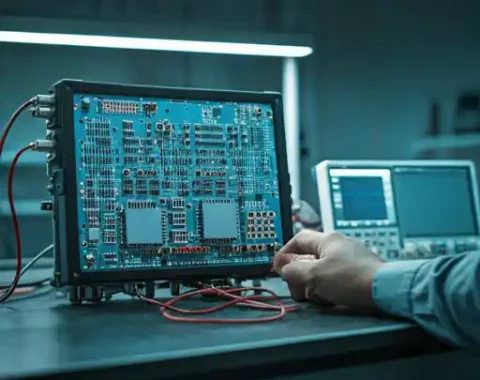
Learn from PhD holders and industry veterans with 15+ years of experience in the energy sector.
Our courses are updated every 6 months in collaboration with top EV and Solar manufacturers to ensure you learn what is relevant TODAY.
Learn from PhD holders and industry veterans with 15+ years of experience in the energy sector.
Our courses are updated every 6 months in collaboration with top EV and Solar manufacturers to ensure you learn what is relevant TODAY.
Beyond technical expertise, we prepare you for corporate life with communication and interview preparation workshops.
Dedicated labs for solar cell testing, EV powertrain diagnostics, and battery assembly.
Why we are India’s most trusted solar education institute.
Why we are India’s most trusted solar education institute.
Our courses are updated every 6 months in collaboration with top EV and Solar manufacturers to ensure you learn what is relevant TODAY.
Learn from PhD holders and industry veterans with 15+ years of experience in the energy sector.
Dedicated labs for solar cell testing, EV powertrain diagnostics, and battery assembly.
Beyond technical expertise, we prepare you for corporate life with communication and interview preparation workshops.
By 2030, the renewable energy sector in India is expected to create over 1 million new jobs. Don’t just watch the future happen—be the one building it.
Green Jobs Demand Forecast
Where hands-on learning meets real-world application.

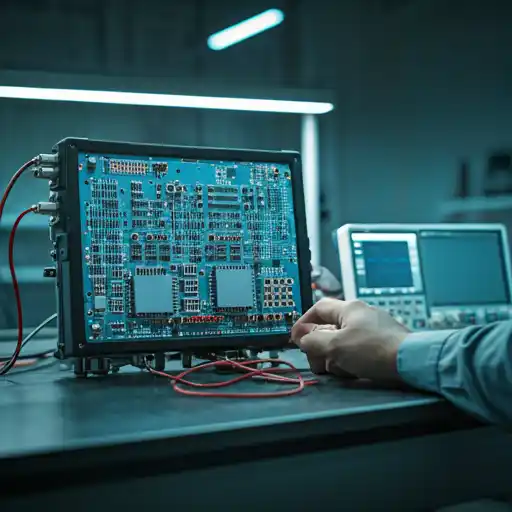

Hear it from our alumni who are now leading the green revolution.

“IISE completely changed my career path. After 12th, I was confused, but the Solar Diploma gave me the skills that companies actually look for. I got placed even before my final exam!”

“The hands-on training in the EV lab was incredible. Understanding the battery management systems practically made me confident for my interviews. Highly recommended!”

“Transitioning from a general background to solar was easy thanks to the trainers at IISE. They explain complex concepts so simply. My family is proud of my career growth.”
Got questions? We’ve got answers.
Our job guarantee courses are specifically designed for students who have completed their 12th standard (Science stream preferred, but open to all with a passion for tech).
It means we provide a formal commitment to help you secure a job with a minimum salary package upon successful completion of the course and meeting our basic attendance and performance criteria.
Yes, our certifications are industry-recognized and aligned with national skill development standards, ensuring high credibility with employers across India and abroad.
We offer flexible fee structures with EMI options. Scholarships are available for meritorious students and those from economically weaker sections. Contact our counselors for details.
IISE has multiple campuses across India with state-of-the-art lab facilities. Please visit our Contact Us page or call our helpline to find the nearest center.
Limited seats available for the upcoming batch. Download our comprehensive brochure or book a free counseling session today.