Solar Practical Workshop – Learn Solar PV Installation Through Hands-On Training
Build practical solar installation, testing, commissioning and troubleshooting skills through a comprehensive two-week blended training programme designed for beginners, students, technicians and working professionals.

No prior electrical engineering or solar installation experience required. Curriculum starts from fundamentals and guides you through live mounting, wiring, testing and commissioning.
What Is the Solar Practical Workshop?
With India’s rapid transition toward renewable energy and nationwide rooftop solar expansion driven by initiatives like the PM Surya Ghar Muft Bijli Yojana, the demand for competent solar technicians and engineers is higher than ever. However, classroom theory alone cannot teach someone how to balance structural weight on a rooftop, assemble weather-tight MC4 connectors, or diagnose an inverter earth-leakage error.
The IISE Solar Practical Workshop is a 2-week blended training programme structured specifically to bridge the divide between theoretical understanding and field execution. By combining instructor-led live online classes, comprehensive recorded digital modules, and supervised hands-on workshop training, participants gain genuine practical confidence.
- Blended Format: Learn theory and sizing design online, then master physical tools, wiring, and commissioning in practical workshops.
- Real Components: Inspect and handle actual crystalline panels, inverters, charge controllers, ACDB/DCDB boxes, and protection gear.
- Supervised Practice: Work directly under experienced solar engineers and master certified trainers.
- Safety & Compliance: Learn OSHA/IS electrical safety, lock-out/tag-out (LOTO), personal protective equipment (PPE), and earthing guidelines.
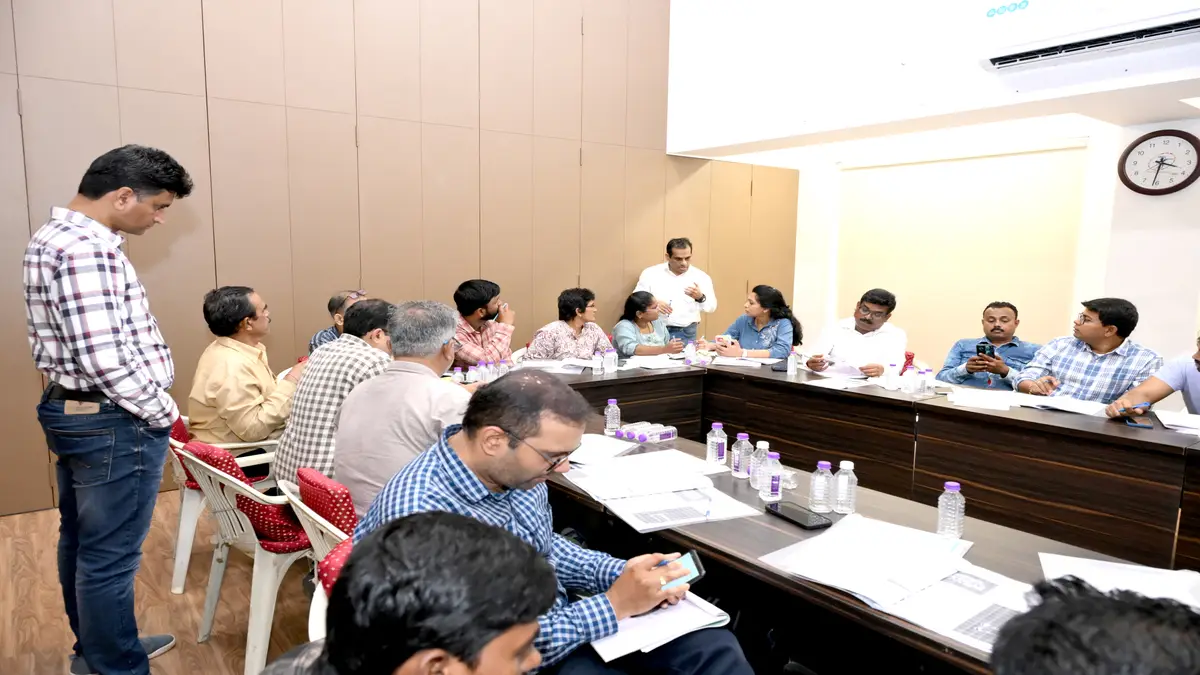
Working professionals, college students, and aspiring entrepreneurs can cover foundational electrical and PV theory comfortably through live and recorded lectures, dedicating focused workshop hours to physical panel mounting, tool operation, wiring, and diagnostic testing.
Why Practical Solar PV Training Matters
Textbooks explain the photovoltaic effect; practical training shows you how to securely anchor mounting rails on high-wind rooftops, terminate high-voltage DC cables without arcing, and synchronize string inverters with the utility grid.
1. Understand Real Solar PV Components
Handle real monocrystalline PERC, bifacial, and polycrystalline solar panels. Inspect string inverters, charge controllers, DCDB/ACDB boxes, DC fuses, and surge protection devices (SPDs).
2. Master Solar Installation Techniques
Learn physical structure assembly on flat RCC roofs and metal sheet roofs. Master tilt angle calculation, orientation alignment, end-clamp and mid-clamp torque, and weather-proof sealing.
3. Develop Electrical Wiring Knowledge
Execute DC string connections, cable sizing, UV-resistant conduit routing, and AC side integration. Master polarity discipline and precision MC4 connector crimping with dedicated ratchet tools.
4. Understand Testing & Commissioning
Perform open-circuit voltage (Voc) and short-circuit current (Isc) testing. Measure earth resistance, verify insulation resistance, and execute systematic pre-commissioning checklists.
5. Learn Maintenance & Troubleshooting
Diagnose real solar faults: loose terminations, polarity inversions, earth-fault alarms, blown fuses, hotspot shading issues, and inverter trip codes. Learn preventive maintenance routines.
6. Explore Solar Entrepreneurship
Understand rooftop solar business opportunities, customer site feasibility surveys, quotation preparation, project costing, BoQ generation, and DISCOM net-metering workflows.
Who Can Join This Solar Practical Workshop?
Whether you are taking your first step into renewable energy or upgrading existing trade skills, this workshop is structured to accommodate varied technical backgrounds.
College students (10+2, BSc, BCom, BA) wanting practical green-technology competencies to kickstart their career.
Electrical, Electronics, and Mechanical ITI/polytechnic diploma holders upgrading specifically to solar PV installation.
B.E. and B.Tech graduates seeking real site installation, string calculation, and field commissioning exposure.
Electrical contractors and wiremen looking to expand their service offering into rooftop solar installations.
Project engineers, site supervisors, and facility managers transitioning from traditional sectors into solar energy.
Solar sales executives, procurement staff, and project coordinators wanting technical grounding in installation reality.
Individuals planning to establish a rooftop solar EPC firm, dealership, installation agency, or O&M service company.
Individuals from non-technical careers passionate about building a sustainable livelihood in clean renewable energy.
Comprehensive Solar Practical Workshop Curriculum
An industry-aligned, 12-module practical curriculum designed to take participants from basic electrical concepts to physical installation, system commissioning, maintenance, and solar entrepreneurship.
Covers foundational renewable energy science and electrical safety principles necessary for field installation.
- Introduction to renewable energy and global solar growth.
- Solar energy conversion principles and the photovoltaic effect.
- Solar radiation fundamentals: Irradiance, Insolation, Peak Sun Hours (PSH), and Air Mass.
- Photovoltaic technology overview: Silicon crystal structures and cell types.
- Basics of electricity: Voltage (V), Current (I), Resistance (R), and Power (P).
- AC vs DC electrical circuits and waveform fundamentals.
- Series and parallel electrical circuits and Kirchhoff’s laws.
- Electrical measuring instruments: Multimeters, clamp meters, and insulation testers.
- Electrical safety standards, Lockout/Tagout (LOTO), and Personal Protective Equipment (PPE).
Deep-dive into solar module construction, datasheets, performance ratings, and physical testing.
- Solar cell construction: Monocrystalline, Polycrystalline, and Bifacial PERC technologies.
- Solar PV module characteristics, encapsulation materials, EVA sheets, and backsheets.
- Reading and interpreting manufacturer module specifications and STC vs NOCT ratings.
- Series and parallel connections of modules for voltage and current matching.
- Open-circuit voltage (Voc) and Short-circuit current (Isc) measurement procedures.
- Module polarity verification under sunlight conditions.
- Effects of shading, bypass diodes function, and temperature coefficient losses.
- Module performance assessment, fill factor (FF), and basic I-V curves.
Comprehensive identification and operational understanding of Balance of System (BOS) components.
- Solar PV modules: Selection criteria and quality standards (IEC 61215/61730).
- Solar inverters: String inverters, central inverters, and micro-inverters.
- Charge controllers: Pulse Width Modulation (PWM) vs Maximum Power Point Tracking (MPPT).
- Solar batteries: Lead-acid (tubular/gel) vs Lithium Iron Phosphate (LiFePO4) storage chemistry.
- Mounting structures: Hot-dip galvanized and aluminum profiles, hardware fasteners.
- Solar DC cables: UV-resistant, halogen-free XLPO cables and AC cabling standards.
- MC4 connectors: Disassembly, pin insertion, and weatherproofing seals.
- Junction boxes, DC combiner boxes, fuses, and DC disconnect switches.
- AC Distribution Box (ACDB) and DC Distribution Box (DCDB) components.
- Earthing electrodes, lightning arrestors, and surge protection devices (SPDs).
Mastering rooftop inspection, shading analysis, load estimation, and feasibility evaluation.
- Site inspection methodology: Measuring usable roof area and roof orientation.
- Roof suitability analysis: RCC flat roofs, corrugated metal sheet roofs, and clay tile roofs.
- Shadow analysis: Identifying near and far shading obstacles using compass and sun-path charts.
- Solar orientation and azimuth angle determination in Indian latitudes.
- Tilt angle fundamentals and seasonal optimum angle selection.
- Electricity bill analysis, sanctioned load, and consumer tariff classification.
- Connected load assessment and daily energy consumption estimation (kWh/day).
- Preliminary solar system capacity sizing based on roof space and sanction load limits.
- Component selection strategy and site feasibility reporting.
Designing compliant solar PV systems with proper string calculations and electrical matching.
- Basic solar PV system design principles and calculation workflow.
- Module selection and temperature-adjusted Voc and Vmp calculations.
- String configuration: Determining minimum and maximum modules per string for inverter MPPT window.
- Inverter sizing: DC-to-AC overloading ratios and clipping analysis.
- DC and AC cable sizing fundamentals: Voltage drop calculation (<2%) and ampacity ratings.
- Battery bank sizing fundamentals for off-grid applications: Days of autonomy and depth of discharge.
- Protection device selection: DC fuse ratings, DC MCB/isolator ratings, and AC breaker ratings.
- Grid-connected system configuration and net-metering interconnection standards.
- Off-grid system configuration and hybrid solar system architecture.
- Single-Line Diagram (SLD) reading and schematic drafting basics.
Hands-on structural installation, panel fastening, and mechanical weatherproofing techniques.
- Rooftop preparation, safety tie-off points, and fall-protection equipment.
- Mounting structure components: Base plates, legs, purlins, rafter rails, mid-clamps, and end-clamps.
- Structure installation principles: RCC anchor fastening with chemical/mechanical anchor bolts.
- Metal roof installation: Non-penetrating seam clamps vs self-tapping screws with EPDM washers.
- Solar module placement, alignment, and physical handling procedures.
- Tilt angle alignment and true south azimuth orientation checks.
- Mechanical fastening: Proper torque wrench application to prevent module glass micro-cracking.
- Cable routing along structural rails using UV-resistant cable clips and conduit.
- Rooftop weatherproofing fundamentals and waterproofing chemical seals.
- Installation quality checklists and post-mounting structural integrity verification.
Practical execution of electrical cabling, connector assembly, and circuit routing.
- DC solar cable identification: Core size, insulation rating, and color-coded polarity discipline.
- Cable polarity verification before making string terminations.
- DC string connections in series and parallel groupings.
- MC4 connector assembly: Components, gender convention, and weather sealing.
- MC4 crimping tools: Proper die selection and ratchet crimping technique.
- Cable termination inspection: Conductor pull-test and crimp quality audit.
- AC-side wiring fundamentals: Inverter AC output connection to ACDB and Main LT panel.
- Inverter interconnections, terminal torquing, and strain relief glands.
- Cable routing, tagging, and warning labelling in accordance with national electrical codes.
- Electrical continuity checks and polarity verification prior to box closure.
Installation of protection panels, earthing pits, and surge protection mechanisms.
- ACDB (AC Distribution Box) internal fundamentals: MCB, MCCB, and Type II AC SPDs.
- DCDB (DC Distribution Box) internal fundamentals: DC fuses, DC isolators, and Type II DC SPDs.
- Protection device selection and coordinating trip curves.
- DC isolator switches: Load-break disconnection under full DC voltage.
- AC isolator switches: Utility grid isolation requirements.
- Surge Protection Devices (SPDs): Operation, MOV technology, and indicator status flags.
- Fuse and miniature circuit breaker (MCB) applications in solar arrays.
- Earthing fundamentals: Separate earthing for DC array, AC equipment, and lightning protection.
- Chemical earthing pit installation, backfill compound activation, and inspection chamber setup.
- Lightning protection basics: Early Streamer Emission (ESE) vs conventional Franklin rods.
- Electrical safety inspections and earth pit resistance measurement (<5 ohms).
- Safe electrical isolation and lockout procedures.
Systematic verification, testing, grid synchronization, and energization procedures.
- Inverter physical mounting: Clearance requirements, heat dissipation, and IP ingress protection.
- Inverter configuration: Grid standard selection, safety thresholds, and country code setting.
- Pre-commissioning electrical testing: Voc check per string, polarities, and insulation resistance.
- Grid voltage and frequency verification prior to AC breaker switching.
- System voltage verification under sunlight conditions.
- Insulation resistance (Megger) testing principles on DC and AC conductors.
- Step-by-step commissioning checklist and controlled system energization.
- Grid synchronization verification: Anti-islanding test and export power monitoring.
- Wi-Fi and RS485 communication setup for cloud portal monitoring.
- Basic commissioning documentation and handover records.
Preventive maintenance regimes, diagnostic workflows, and common site fault resolutions.
- Preventive maintenance schedules: Daily, monthly, quarterly, and annual procedures.
- Module inspection and cleaning protocols: De-mineralized water, early morning washing, and soiling loss control.
- Cable and conduit visual inspection: Wear, UV degradation, and rodent damage checks.
- MC4 connector and junction box thermal inspection for loose contacts.
- Inverter status monitoring: Interpreting LED indicators, LCD messages, and app alerts.
- Performance analysis: Performance Ratio (PR) and generation degradation tracking.
- Fault identification: Open circuits, short circuits, and earth leakage alarms (Isolation Fault / Riso).
- Loose connection diagnosis and high-resistance joint heating.
- Polarity error diagnosis and diode breakdown testing.
- Shading-related generation losses and hotspot detection techniques.
- Basic electrical fault diagnosis using multimeter and clamp meters.
- Maintenance logbook record-keeping and statutory safety audits.
End-to-end execution of a complete solar installation exercise under instructor supervision.
- Understanding project requirements and Bill of Quantities (BoQ) review.
- Site layout simulation: Safety briefing and tool staging.
- Component verification: Module datasheets, inverter compatibility, and hardware inspection.
- Mounting arrangement: Assembling aluminum rails and securing mounting hardware.
- PV module placement, structural alignment, and torquing clamps.
- DC wiring execution: String cabling and on-site MC4 connector crimping.
- Inverter integration: Terminal connections and gland sealing.
- ACDB and DCDB wiring: Installing fuses, breakers, and surge arrestors.
- Safety verification: Verifying grounding bonds, continuity, and cable dressing.
- Pre-energization tests: String voltage, polarity, and insulation checks.
- Commissioning checklist execution and system live test.
- Practical project evaluation and instructor technical review.
Translating technical competence into commercial solar contracting and business ventures.
- Introduction to rooftop solar business opportunities in residential and C&I sectors.
- Solar EPC (Engineering, Procurement, Construction) business models and contracting structures.
- Residential rooftop market dynamics under PM Surya Ghar Muft Bijli Yojana.
- Customer identification, lead generation, and initial solar consultation techniques.
- Conducting professional site surveys and drafting customer feasibility reports.
- Basic project costing: Module pricing, inverter costs, BOS estimation, labor, and margins.
- Quotation preparation and presenting payback period and ROI calculations.
- Starting a specialized solar installation contracting service.
- Building an annual Operation & Maintenance (O&M) solar cleaning and servicing business.
- Vendor sourcing: Connecting with module distributors, inverter manufacturers, and hardware suppliers.
- DISCOM net-metering application procedure and statutory liaison overview.
- Professional customer communication and post-installation service delivery.
Learn by Doing – Practical Solar Installation Experience
This workshop is engineered around hands-on activities. Participants handle real solar components, apply physical tools, and follow standard operating procedures for safe electrical installations.
1. Live Solar PV Installation
Safe manual handling, roof staging, panel framing, alignment, and secure clamp fastening on industrial mounting structures.
2. Rooftop Structure Assembly
Erecting pre-galvanized mounting structures, anchor bolt fastening, rail leveling, and wind-load bracing on flat/metal roofs.
3. Solar Module Electrical Testing
Testing Voc with digital multimeters, measuring Isc with clamp meters under live sunlight, and verifying bypass diode operation.
4. DC & AC Electrical Wiring
Executing string connections, cable identification, UV-resistant conduit routing, and neat cable tie dressing along structural rails.
5. MC4 Connector Crimping
Precision cable stripping, pin crimping using specialized ratchet crimpers, waterproof cap assembly, and pull-test verification.
6. Solar Inverter Testing
Mounting string inverters, wiring DC string inputs, AC grid terminations, parameter setup, and initial startup sequences.
7. ACDB and DCDB Wiring
Internal wiring of DC isolators, DC fuses, Type II surge protection devices (SPDs), and AC miniature circuit breakers.
8. Earthing & Protection Installation
Chemical earthing rod installation, earth pit compound activation, GI/Copper strip routing, and fall-of-potential resistance test.
9. Solar Site Survey & Shading
Physical roof dimensioning, structural load inspection, magnetic compass azimuth checks, tilt verification, and shadow analysis.
10. System Commissioning
Executing pre-commissioning safety checklists, phase rotation tests, system energization, and grid synchronization validation.
11. Solar System Troubleshooting
Diagnosing loose connections, polarity inversions, earth-fault alarms, blown fuses, and interpreting inverter trip codes.
12. Preventive Maintenance
Safe panel washing techniques, soiling loss checks, terminal thermal inspection, and maintaining structured O&M service logs.
Tools and Equipment Used in Solar Practical Training
Familiarity with professional measuring instruments and installation equipment ensures participants develop the muscle memory and technical discipline demanded by reputable EPC firms.
Digital Multimeter
Cat III/IV 1000V DC rated instrument for measuring open-circuit voltage, resistance, and circuit continuity.
AC/DC Clamp Meter
True-RMS non-invasive clamp meter for measuring string currents and AC grid current output up to 400A/1000A.
MC4 Crimping Kit
Specialized ratchet crimping tool with calibrated dies for 2.5/4/6 sq mm solar pins and assembly wrenches.
Cable Strippers & Cutters
Precision cutters and wire strippers designed specifically for double-insulated XLPO solar DC cables.
1000V Insulated Tool Set
VDE-certified 1000V insulated screwdrivers, spanners, torque wrenches, and pliers for safe electrical assembly.
Solar PV Modules
Tier-1 crystalline modules (Monocrystalline PERC, Bifacial, and Polycrystalline) for inspection and string testing.
Solar String & Hybrid Inverter
Grid-tie string inverters and hybrid inverter units featuring digital display, MPPT tracking, and AC/DC terminals.
DC Distribution Box (DCDB)
IP65 UV-resistant enclosures equipped with DC fuses, surge protection devices (SPDs), and DC isolator switches.
AC Distribution Box (ACDB)
Industrial electrical enclosure with AC miniature circuit breakers (MCBs), AC SPDs, and energy metering terminals.
Dedicated Solar DC Cables
4 mm² and 6 mm² electron-beam cross-linked XLPO insulated, UV-resistant, tinned copper solar conductors.
Chemical Earthing Electrodes
Copper-bonded steel earthing electrodes, inspection pits, and carbon-based earth enhancement compounds.
Earth Resistance Tester
Digital fall-of-potential earth tester for measuring ground electrode impedance (<5 ohms) and soil resistivity.
Understand Different Solar Power Systems
Learn the technical differences, balance of system components, sizing criteria, and grid connection standards for the three primary solar architecture categories.
Grid-Connected (On-Grid) Solar Systems
The most popular configuration for urban homes, commercial complexes, and institutions under net-metering schemes like PM Surya Ghar.
- Core Architecture: Panels → DCDB → String Inverter → ACDB → Bi-Directional Net Meter → Utility Grid.
- Battery Storage: No batteries required; lowest Capex and highest efficiency.
- Safety Mechanism: Automatic anti-islanding protection halts generation when the grid fails.
- Key Applications: Residential rooftops, industrial factories, and commercial buildings.
Off-Grid Solar Power Systems
Standalone self-reliant power systems engineered for locations without access to the electrical grid or where power is unreliable.
- Core Architecture: Panels → MPPT Charge Controller → Battery Bank → Off-Grid Inverter → AC Loads.
- Battery Storage: Deep-cycle Tubular Lead-Acid or Lithium Iron Phosphate (LiFePO4) battery bank.
- Key Considerations: Autonomy sizing (1-3 days), depth of discharge (DoD), and surge ratings.
- Key Applications: Remote farms, rural electrification, telecom towers, and off-grid resorts.
Hybrid Solar Power Systems
Combines the grid-export benefits of an on-grid system with the uninterruptible power security of battery storage.
- Core Architecture: Panels → Hybrid Bi-Directional Inverter → Battery Storage + Grid Connection.
- Smart Energy Management: Self-consumption optimization, time-of-use peak shaving, and EPS backup.
- Grid Failure Response: Critical loads switch seamlessly to battery storage during blackouts.
- Key Applications: High-end villas, hospitals, data centers, and critical commercial facilities.
Your Two-Week Solar Practical Training Journey
A methodically sequenced blended pathway designed to build solid theoretical comprehension first, followed by intensive supervised physical workshop execution.
Theory, System Design & Electrical Principles
Live instructor-led online sessions combined with recorded digital lectures covering foundational engineering and system calculation principles:
- Solar radiation, irradiance, peak sun hours, and photovoltaic physics.
- AC and DC electricity fundamentals, Ohm's law, and power circuits.
- Solar PV module technology, datasheets, STC/NOCT, and I-V characteristics.
- Balance of System (BOS) components: Inverters, controllers, and cables.
- Site survey methodologies, shadow analysis, and load estimation.
- Solar PV string sizing, voltage drop calculations, and component selection.
- Safety standards, national electrical codes, and pre-workshop preparation.
Hands-On Mounting, Wiring, Testing & Commissioning
Supervised practical training sessions focusing on physical installation, tool operation, electrical safety, and diagnostic troubleshooting:
- Rooftop mounting structure assembly, anchoring, and panel alignment.
- Solar PV module physical installation, mid/end-clamp fastening.
- DC solar cable routing, polarity verification, and string connections.
- MC4 connector assembly and precision ratchet crimping exercises.
- Solar inverter installation, terminal wiring, and parameter setup.
- ACDB/DCDB wiring: Fuses, DC isolators, breakers, and surge arrestors.
- Earthing installation, earth pit resistance testing, and commissioning checks.
- Diagnostic troubleshooting, maintenance routines, and entrepreneurship review.
What Will You Learn by the End of This Workshop?
Upon completing the two-week blended programme and supervised practical exercises, participants develop realistic, workplace-ready competencies:
IISE + CERT Certificate
Participants who fulfil the applicable workshop completion criteria, attend the live training modules, and successfully perform the practical workshop exercises are awarded the joint IISE + CERT Certificate.
- Indian Institute of Solar Energy (IISE): A Unit of CERMS India Foundation, pioneer in renewable energy technical education.
- Centre for Energy Research and Training (CERT): Institutional technical partner dedicated to advanced clean energy training.
This certificate serves as verified institutional evidence that you have completed structured theoretical and hands-on vocational training covering solar PV installation, electrical wiring, testing, and commissioning.

IISE India
CERT Centre
Explore Career and Entrepreneurship Opportunities in Solar Energy
Practical solar skills open doors across installation contracting, site engineering, O&M services, and independent entrepreneurship:
Solar Installation Technician
Rooftop and ground-mount PV module mounting, mechanical structure erection, and clamping.
Rooftop Solar Electrician
DC string wiring, cable conduit routing, MC4 crimping, and ACDB/DCDB electrical integration.
Solar O&M Maintenance Specialist
Routine panel washing, thermal defect scanning, electrical tightening, and maintenance reporting.
Solar Project Site Assistant
Assisting project engineers with on-site surveying, BoQ material verification, and progress monitoring.
Commissioning Support Technician
Assisting senior engineers during pre-commissioning testing, grid synchronization, and DISCOM inspections.
Solar Technical Sales Support
Advising residential and business clients on system capacity, roof requirements, and quotation estimates.
Solar EPC Entrepreneur
Launching your own local rooftop solar contracting firm under PM Surya Ghar and commercial schemes.
Solar Maintenance & Cleaning Contractor
Establishing a recurring solar plant cleaning, inspection, and maintenance service enterprise.
Why Learn Solar Technology with IISE?
The Indian Institute of Solar Energy (IISE), a Unit of CERMS India Foundation, is dedicated exclusively to renewable energy education, technical skill development, and clean energy entrepreneurship.
Specialized Renewable Focus
Dedicated exclusively to solar photovoltaics, battery storage, and clean technology education, ensuring deep industry-relevant training.
Technical Collaboration with CERT
Partnered with Centre for Energy Research and Training (CERT) to deliver certified, quality-assured curriculum and practical exercises.
Blended Vocational Convenience
Designed specifically for busy schedules, blending interactive online foundation classes with high-impact hands-on practical workshops.
Entrepreneurship Orientation
Beyond technical wiring, learn how to conduct site surveys, prepare client quotations, calculate project BoQ, and work with DISCOM processes.
Learn from Solar Industry and Technical Experts
Our curriculum is developed and delivered by experienced renewable energy engineers, academic department heads, and practical solar practitioners.

Er. Rajesh Unnikrishnan
Senior renewable energy engineer and technical mentor with extensive experience guiding solar engineers and entrepreneurs across India.

Dr. D.S. Malwad
Academic leader specializing in renewable energy systems, solar thermal technology, and practical laboratory curriculum development.

Dr. Srinivas Mangalampalli
Expert in power electronics conversion, solar inverter topology, MPPT algorithms, and grid-synchronization protection circuits.

Dr. Arpan Tewary
Specialist in semiconductor photovoltaics, crystalline solar cell degradation, module reliability, and testing standards.
Solar Practical Training in Action
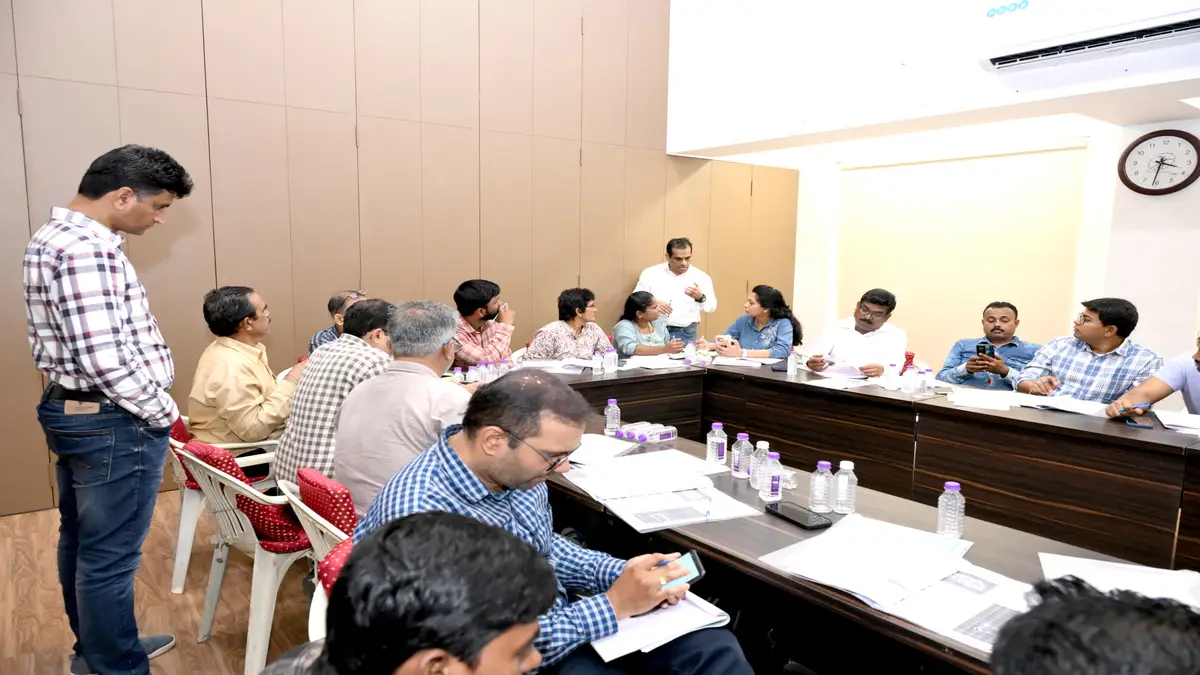
Glimpses of actual hands-on workshops showing participants mounting panels, testing DC voltages, crimping connectors, and configuring solar inverters.


What Participants Say About Their Learning Experience
Participants across India highlight three consistent dimensions that make the IISE blended workshop distinctly valuable:
Hands-On Confidence Over Pure Theory
"Before joining, I had studied electrical formulas and watched dozens of YouTube videos, but actually crimping MC4 cables, handling real 540W monocrystalline panels, and seeing the inverter synchronize gave me the confidence to handle rooftop jobs independently."
Practical Safety & Electrical Standards
"As an electrical technician, learning the specific safety rules for DC strings—why you must never disconnect an MC4 connector under load, how to verify chemical earthing, and proper SPD wiring—was the most valuable takeaway."
Business Feasibility & Entrepreneurship
"The entrepreneurship module gave me the clarity I needed to understand customer site surveys, calculate BoQ estimates, and understand DISCOM net-metering approvals. I now know how to propose rooftop solar systems to residential clients."
Solar Practical Workshop
- Interactive online live classes and instructor Q&A sessions.
- Full access to recorded lectures, presentation slides, and study notes.
- Hands-on practical workshop training with certified master trainers.
- Supervised usage of professional tools, multimeters, and crimpers.
- Live training on solar modules, mounting structures, and inverters.
- Joint IISE + CERT Certificate of Completion upon assessment.
- Comprehensive site survey checklists and commissioning documentation.
Join the Two-Week Solar Practical Workshop
Follow our streamlined 5-step admission process to secure your place in an upcoming batch:
Register Your Interest
Submit your details below. An authorized IISE admission counsellor will connect with you to share upcoming batch schedules, practical training venue options, and admission steps.
Frequently Asked Questions – Solar Practical Workshop
Clear, verified answers regarding programme duration, fees, eligibility, learning methodology, certification, and admissions:
The Solar Practical Workshop is a specialised 2-week vocational training programme offered by the Indian Institute of Solar Energy (IISE) in collaboration with CERT. It bridges academic theory and field execution by combining online live instructor-led classes, recorded educational resources, and supervised hands-on practical training covering solar PV panel mounting, DC/AC wiring, inverter configuration, testing, and commissioning.
The workshop duration is exactly Two Weeks. Week 1 focuses on electrical fundamentals, solar photovoltaic physics, system components, site surveys, and sizing calculations through online live classes and recorded lectures. Week 2 focuses on hands-on practical exercises, physical mounting, wiring, MC4 crimping, inverter testing, earthing, and commissioning.
The total programme fee is ₹19,999 (All-inclusive). This covers full access to online live lectures, recorded course archives, practical workshop sessions, equipment usage, training documentation, and the IISE + CERT Certificate of Completion upon successful assessment.
Yes, absolutely. The Solar Practical Workshop is open to all individuals and has no mandatory previous solar installation or engineering prerequisites. We start from foundational electrical concepts (voltage, current, polarity, circuits) before progressing step-by-step into physical solar installation and commissioning.
The programme follows a Blended Learning methodology. Foundational theory, sizing calculations, component engineering, and design schematics are delivered through live online classes and recorded video lectures. Physical mounting, tool operation, DC/AC wiring, MC4 crimping, inverter setup, and commissioning are practiced in supervised on-site practical workshop sessions.
You will learn rooftop mounting structure assembly, solar module handling and fastening, open-circuit voltage (Voc) and short-circuit current (Isc) testing, DC solar string wiring, precision MC4 connector crimping, inverter mounting and wiring, ACDB and DCDB assembly, chemical earthing installation and resistance testing, rooftop site surveys, pre-commissioning checklists, troubleshooting, and preventive maintenance.
Yes. Participants who fulfil the applicable workshop completion requirements and practical evaluation receive the joint IISE + CERT Certificate. This credential validates that you have successfully completed two weeks of structured theoretical and practical solar PV installation training.
No. An engineering degree is not required. The workshop welcomes 10+2 candidates, ITI technicians, polytechnic diploma holders, electricians, engineering graduates, working professionals, and business aspirants alike.
Yes. The blended structure is tailored specifically to accommodate working professionals. Online lectures and recorded resources can be reviewed flexibly, with practical workshop sessions scheduled to enable working engineers, electricians, and managers to upskill without leaving their current roles.
Yes. Rooftop solar installation principles are a central focus of the practical curriculum. You will learn rooftop preparation, flat roof vs metal sheet mounting hardware, structural rail alignment, mid/end clamp fastening, cable routing, weather-proof sealing, and mechanical installation quality checks.
Yes. The curriculum includes a dedicated module on solar PV fault diagnosis. You will learn how to identify loose terminations, reverse polarity errors, earth-fault alarms (isolation faults), blown DC fuses, bypass diode failures, shading hotspots, and common inverter shutdown warnings.
Yes. The workshop includes a specialized module on Solar Entrepreneurship and Business Development. You will learn rooftop solar business models, residential customer acquisition, customer site survey reporting, quotation preparation, basic project costing, BoQ generation, vendor sourcing, and DISCOM net-metering application workflows.
Yes. Online live classes and on-demand recorded lectures are an integral part of the blended programme. They establish the technical and mathematical foundation before participants handle physical tools and equipment in the practical workshop.
To enrol, submit the online enquiry form on this webpage or contact the IISE admission team. An admission counsellor will provide you with the latest batch schedule, venue arrangements, and official payment procedure to confirm your seat.
The total programme fee is ₹19,999. Any applicable registration or booking deposit requirements are confirmed directly by the IISE admission counsellor based on current batch seat availability. We operate on a transparent enquiry-based admission process.
Explore More Renewable Energy Programmes at IISE
Expand your expertise across advanced solar PV design, energy storage systems, and electric vehicle engineering through IISE’s verified professional programmes:
PG Diploma in Solar Technology
Comprehensive 1-year postgraduate programme covering advanced PV engineering, MW-scale plant design, and storage.
Diploma in Solar Technology
In-depth technical diploma covering residential, commercial, and industrial rooftop solar PV system design and execution.
Solar Engineer Certificate Course
Online engineering certificate focusing on solar PV design, PVSyst simulation, electrical layouts, and project planning.
Solar Entrepreneurship Development
Executive programme for aspiring solar business owners, EPC contractors, and rooftop solar enterprise founders.
PG Diploma in EV Technology
Specialized postgraduate engineering diploma in electric vehicle powertrain, battery management systems, and charging infrastructure.
Solar Train the Trainer Program
Professional pedagogy programme for solar trainers, college faculty, and vocational instructors seeking master certification.
Start Building Your Practical Solar PV Skills Today
Learn the fundamentals of solar technology and develop practical exposure to solar installation, wiring, testing, commissioning and maintenance through IISE’s two-week blended Solar Practical Workshop.